






October 22, 2026
Cosmetic peptide identity: INCI names, CAS numbers and blends
Reconcile INCI names, CAS identifiers and the composition of cosmetic peptide ingredients before sample evaluation and commercial purchasing.
Read article →
Material identity, documentation, packaging and project development guides for technical buyers.
Reconcile INCI names, CAS identifiers and the composition of cosmetic peptide ingredients before sample evaluation and commercial purchasing.
Read article →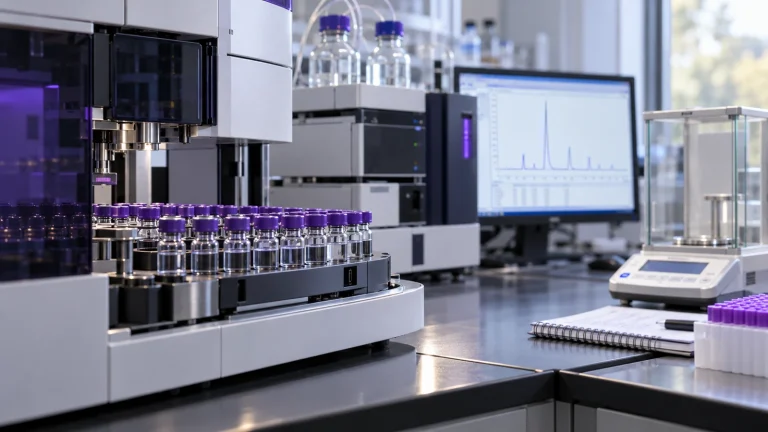
Understand HPLC area purity, peptide content, counterions and reporting basis before comparing peptide COAs or supplier quotations.
Read article →
Different project routes call for different technical responsibilities.
Read article →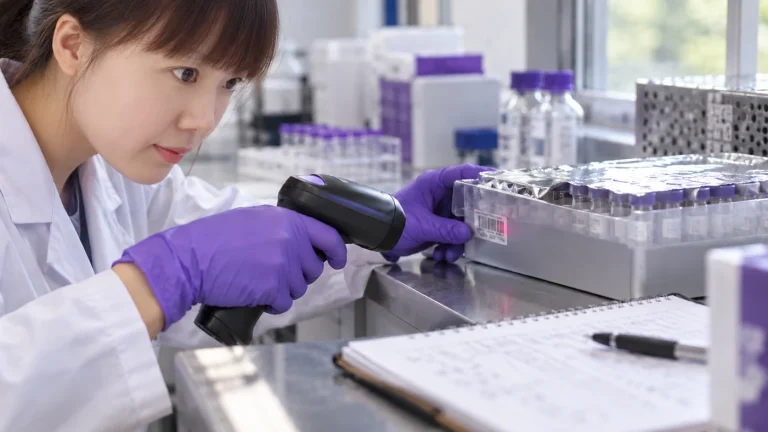
Traceability ties identity, production and test data together.
Read article →
Document sets vary by product and destination.
Read article →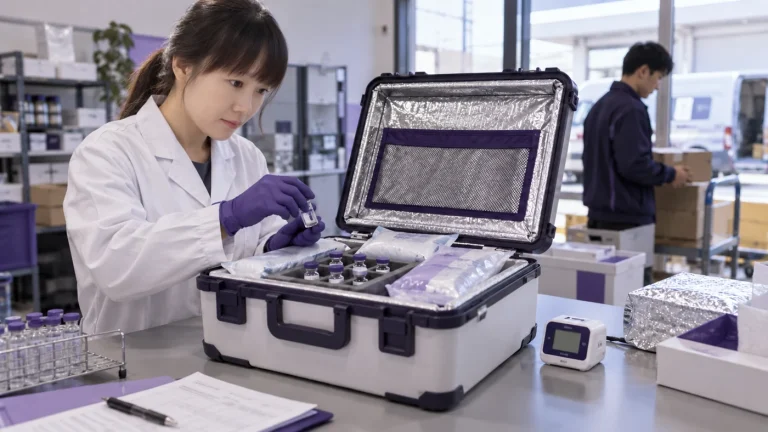
Conditions should be derived from product data and packaging.
Read article →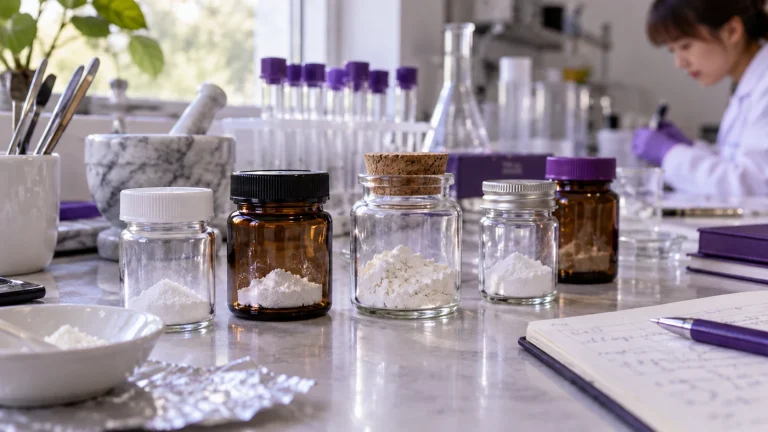
An intermediate should be specified for its downstream process.
Read article →
Compare the same specification and scope across offers.
Read article →
A structured RFQ reduces avoidable clarification.
Read article →
A device-related enquiry starts with component compatibility and intended market.
Read article →
An oral pouch brief needs a clear product and market definition.
Read article →
Film projects should connect formula feasibility to manufacturing and packaging.
Read article →A dilute peptide can lose signal after several otherwise routine transfers. Compare direct and serial preparation paths, isolate contact steps and keep the final solvent composition matched to locate the loss without guessing which tube caused it.
A declining injection series can mix sample residence time with instrument order. Design an interleaved comparison using independently aged aliquots, fresh preparations and blanks to identify which explanation deserves further testing before changing the peptide sample.
A filtered sample may contain less liquid, less analyte or a matrix that produces a different signal. Measure concentration and recovered volume in a paired laboratory study before attributing a changed peptide result to membrane binding.
An additive that preserves peptide signal can also change the assay background or detector response. Compare carrier candidates against a no-additive preparation and measure their effect on the complete workflow before adopting a routine formulation.
